Media
Saffron: its effects
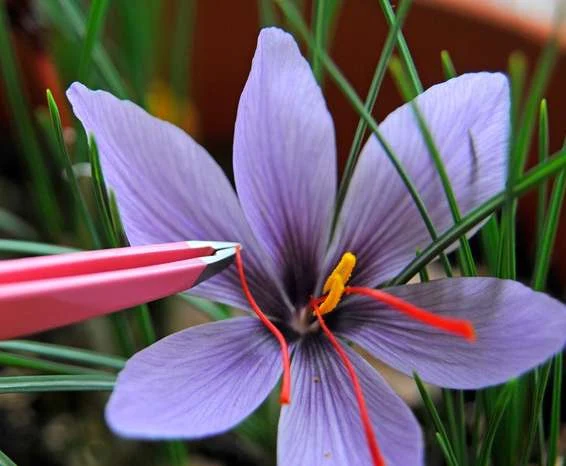
Crocus sativus
- has anti-inflammatory and antioxidant effects (reduces free radicals),
- has calming effects (Brain and Neuro Balancer = lowers adrenaline and raises SEROTONIN in the body).
- 70% of serotonin is produced in the gut = a link to the human microbiome,
- a higher level of serotonin also helps balance the hormonal system and actively acts on neurotransmitters in the brain,
- helps with ADHD, depression, neurological brain diseases (dementia, Alzheimer’s disease etc.) and improves memory.
- helps reduce appetite (weight loss) thanks to higher serotonin,
- increases drive in men and women (a proven aphrodisiac).
Serotonin is often called the "happiness hormone". It is a key neurotransmitter that regulates mood, sleep, appetite, digestion and emotional stability; it supports a sense of contentment, calm and well-being, affects memory and plays a role in healing and blood clotting. In the body it carries nerve signals and acts on both the brain and the digestive system, where it dampens stomach acid and aids digestion.
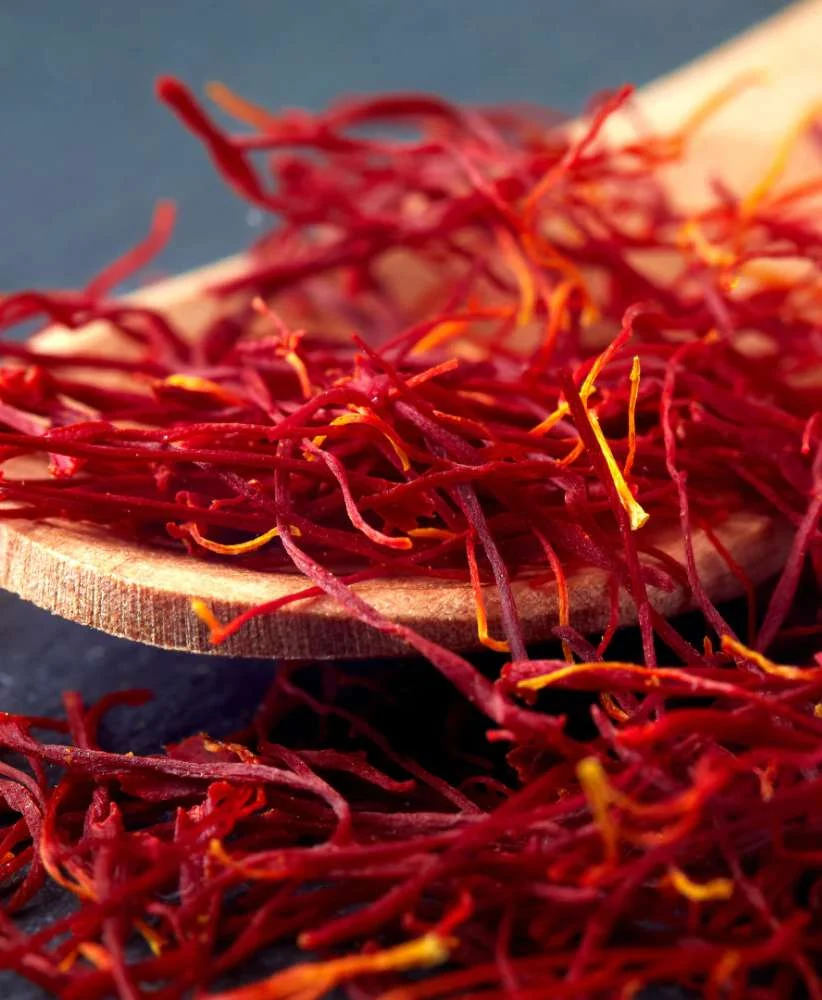
Saffron infusing
Key facts
- saffron crocus (Lat. Crocus sativus) from the autumn harvest,
- the spice is made from the stigmas of the flowers,
- 1 g of spice = 120–130 flowers = 360–400 stigmas,
- 15 mg of saffron (stigmas) goes into 330 ml of infusion,
- country of origin: Iran